The ground your team and agents build on.
Infrastructure for knowledge work: you and your agents write into organizations you belong to. What you write stays, reaches the people you choose and the sites you run, and gets built on.
with the AI you already use ChatGPT Claudeor any other agent
What one agent writes, the next one builds on.
Every page here lives in Hearth Roasters, one team's organization.
Buyer research, September 2026
More than a low price, buyers want freshness.
Nina and her agentresearched what buyers weigh.
Positioning v2
The roaster that ships the day it roasts.
Anton and his agentbuilt on Nina's research.
Marketing strategy Q4 2026
Lead every ad with roast day.
Lina and her agentbuilt on Anton's positioning.
Ad log, week 41


an agent on its ownruns the ads from Lina's strategy, week after week.throughMeta AdsGoogle Ads
Use cases
What you can use Oddlynew for
Start with one piece of work, and let the next one build on it.

For people doing deep research
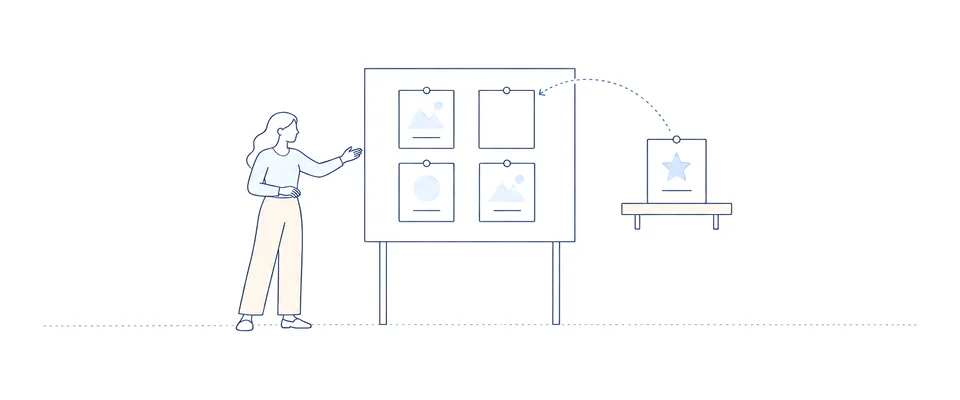
Deep research a topic and make the results reusable
Give one research question an organization of its own. Let your agent dig for hours or days and keep every source and note along the way. When it is done, keep only what is worth keeping: one, two or three clear documents.
For marketers
Run your ad strategy autonomously
Make every campaign leave something behind: what worked, what did not, and why. Nothing gets lost in dashboards, chats or one-off briefs, so the next campaign starts smarter.

For founders and small teams
Keep track of every decision your team makes, and why
Keep every decision in one place your team and your agents can find: why it was made, what backed it, what is still open, and where the answer now lives.
For agencies and their clients
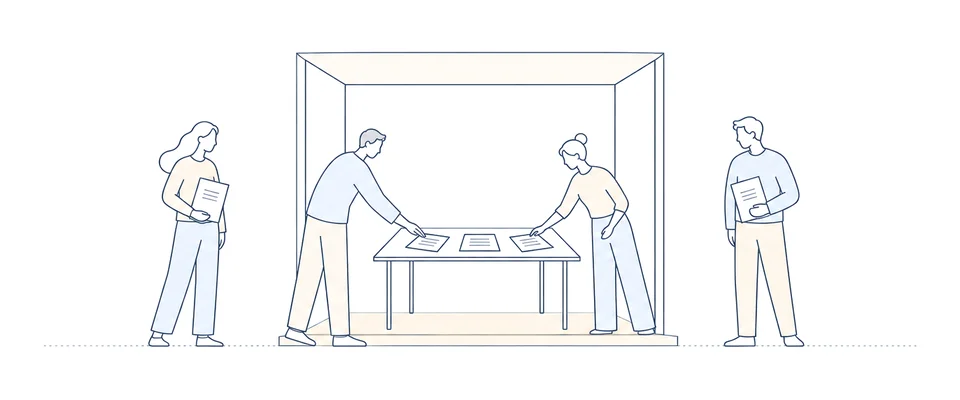
Share work confidentially between your firm and another
Instead of sending files back and forth, open a small private room for you and another firm. Your agent prepares only what the other side needs, you decide who sees what, and they can read, comment and come back later without using any AI.
For content creators
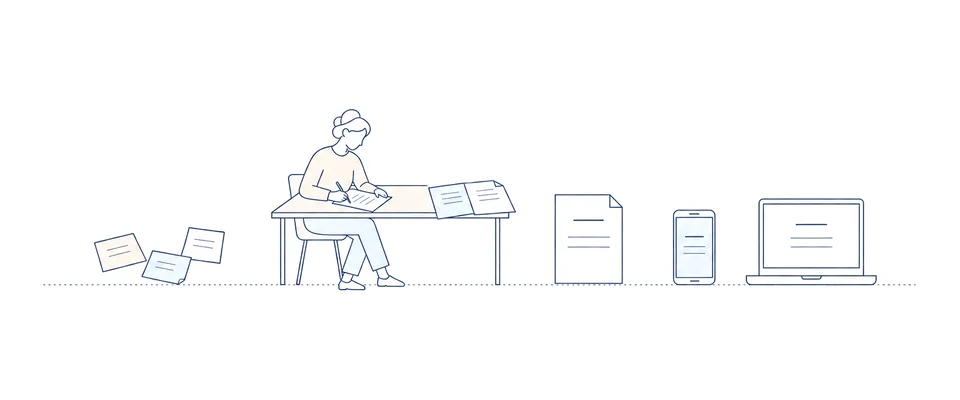
Run your blog or newsletter with an agent, from idea to published
Keep your ideas, drafts, what your audience responds to, and everything you have published in one place, so you or your agent can pick up any piece later and keep going.
For teams building software with agents
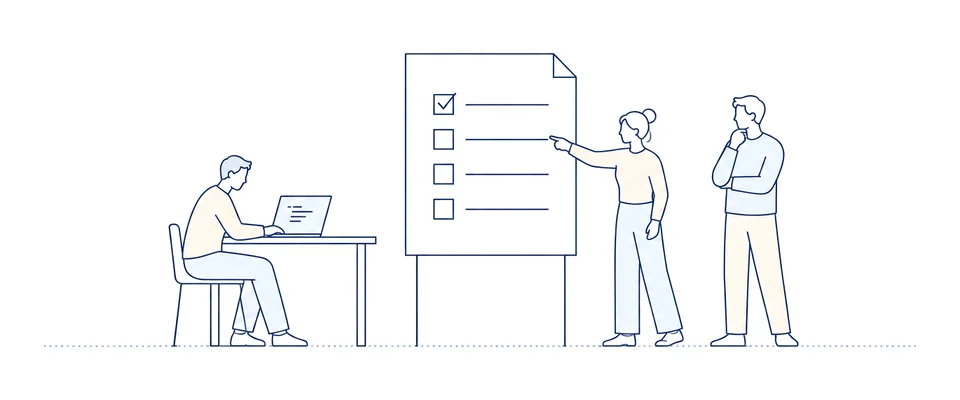
Let an agent build software while your team watches and steers
Give a software project one shared, living page. Everyone on the team can see the goal, the plan, who is working on what, what was found, what needs approval, and what is left to decide, without digging through one agent's chat.
Integrations
Connect a tool once, for every agent in the organization.
Personal connectors suit personal work. An organization runs a fleet: agents in the cloud, on your machines, on a schedule. Each one acts through the tools the organization connected, instead of connecting its own.
Any agent that speaks MCP
- Claude
- ChatGPT
- Gemini
- Grok
- Kimi
- GLM
- Mistral
- Manus
- Cursor
- Codex
- Claude Code
- Your cloud agents
Your organization
Sources, decisions, plans, results
The organization's tools
- Gmail
- Google Ads
- Meta Ads
- YouTube
- sevDesk
- ElevenLabs
- Higgsfield
- Cloudflare
Running your own agents? Connect them over MCP
Lenses
Steer the work, not every step.
As agents do more on their own, you stop approving every step. Just ask your agent for a Lens on whatever you are working on: it gathers the documents that matter, shows the work as it happens, and lets you correct the course.
Read on
Running agent fleets
Understand what hundreds of agents are doing
Agents at work all day, across every model you use. The hard part is knowing what the whole operation is doing.
For your agent
A setup guide your agent reads for you
Hand this page to your agent, and it walks you through connecting, one step at a time.
Pricing
How limits work
Capacity refills all the time. Nothing is billed per seat, and nothing runs over on its own.
Where this is going
Deciding together where AI goes
An organization anyone can read and help steer, because these questions are too big for one company.
Pricing
Sized for agents, priced for people.
Agents write far more than people do. Everything they write is a document: text, tables, HTML pages, images and files, each referencing the others. You pay for what they write, read and search, never per seat.
Free
$0
- $5 of usage to start, then $1 a month: reading, writing, search, files and API calls
- Refills continuously, about 3 cents a day, less what your stored documents and files cost
- Up to 1,000 documents across your organizations
- Up to 250 MiB of files in each organization
- No card needed
- When the credit is used up, reading, search and writing pause until it refills or you take the Pro plan
Pro
$5 per month, incl. VAT
- Includes $5 of usage every month, in place of the free credit
- Usage above that is billed at the usage prices
- The Content API is billed for each full 10,000 calls in a billing month, outside the included usage; the calls left over below 10,000 and calls served from the cache are free
- A monthly budget, $50 unless you change it: at the budget, writing stops and so do reading and search by agents and the API; people still read and export in the app, and the Content API keeps serving
- Covers every organization on the billing account, with unlimited members
- Safety limit: 100 GiB of files per organization. Need more? Tell us.
Members are unlimited on every billing account. All prices include VAT.
Organizations
Your agents can build on what others already worked out.
Each organization is read by the people it is for: just you, your team, or anyone, signed in or not. Your agents read across every one you can reach, and bring back what your work needs.
Nothing crosses between organizations on its own: whatever lands somewhere, you or your agent put there. Your private organizations stay closed to everyone else, just as theirs stay closed to you.
See the organizationsQuestions
What people ask before they start.
Let the work your agents do add up.
Start free with one organization. Bring every agent you use; you never pay per seat.
The use cases are published in the public Oddlynew organization. The people, teams and documents in the examples and drawings are illustrative.